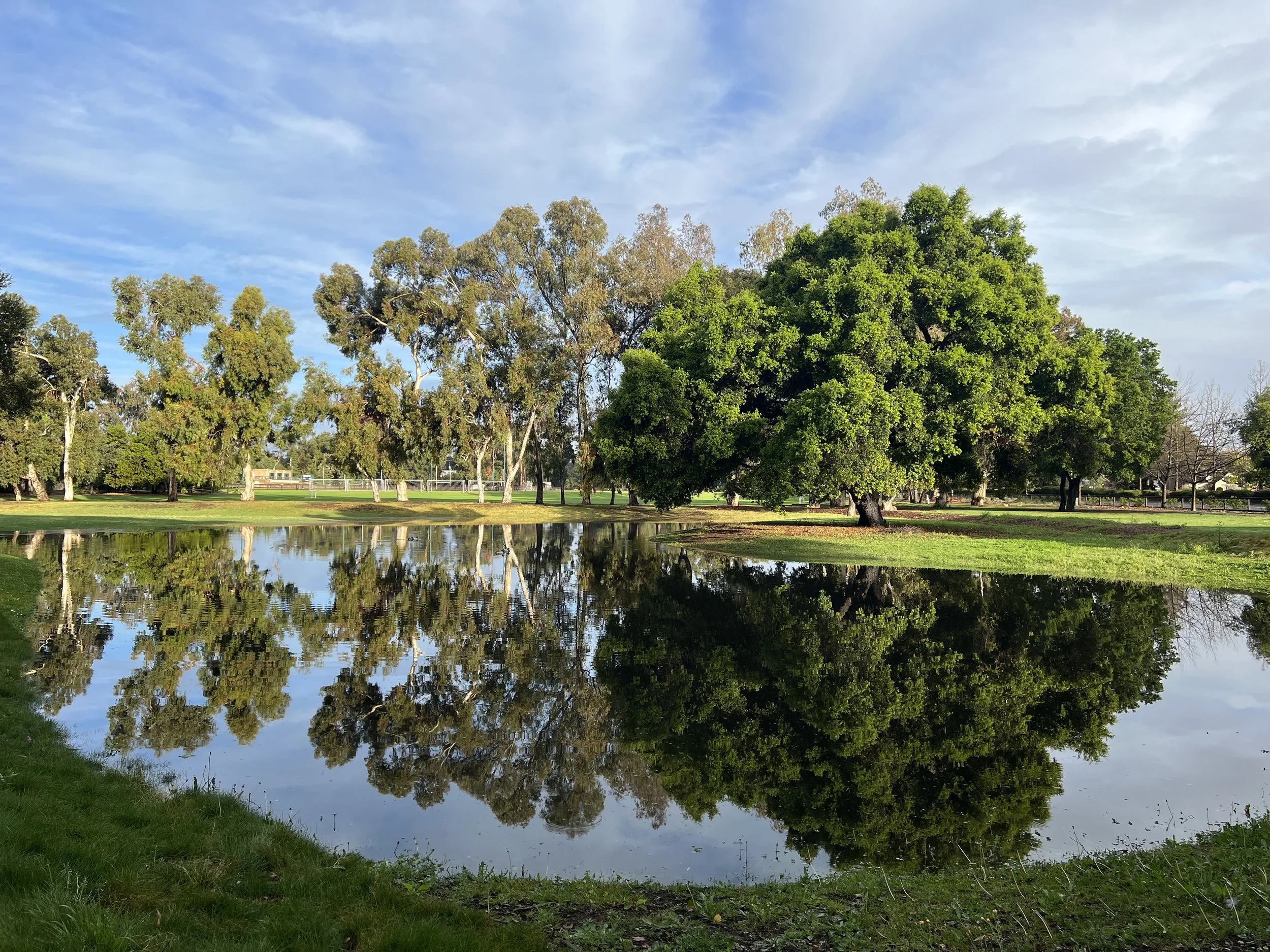
Stanford University’s Stormwater Capture & Use Facilities
Project Description
Stanford University has captured over 130 million gallons of stormwater and irrigation runoff at two facilities on campus as an alternate water source to supplement the campus’s non-potable landscape irrigation system; the “Lake Water” system includes storage reservoirs in the foothills above campus that are used for summer irrigation. Although these stormwater capture facilities provided campus with a new non-potable water supply, these multi-benefit facilities were initially driven by the need to provide flood protection and satisfy Low Impact Development (LID) stormwater quality requirements on a regional scale for new and re-development on campus. This program and associated tracking documentation was developed in partnership with Santa Clara County.
On the west side of campus, two stormwater detention basins were constructed in 2015 to protect against flooding and fulfill hydromodification requirements to minimize erosion to San Francisquito Creek. Additional functionality was added in 2019 to include capture of 100% of the water quality event from the 60 acre upstream tributary area. The basins double as soccer fields and sand volleyball courts. Similarly on the east side of the campus, beginning in 2020, stormwater runoff from approximately 240 acres of campus is subsequent storage and irrigation use. The east campus system’s associated detention basin is also used as an archery practice field.
These facilities reduce the use of potable water to meet irrigation needs on campus and provide water quality benefits to local creeks and San Francisco Bay. Regional stormwater capture and use facilities also streamline maintenance and are more space efficient and cost effective than smaller scale distributed LID treatment measures.
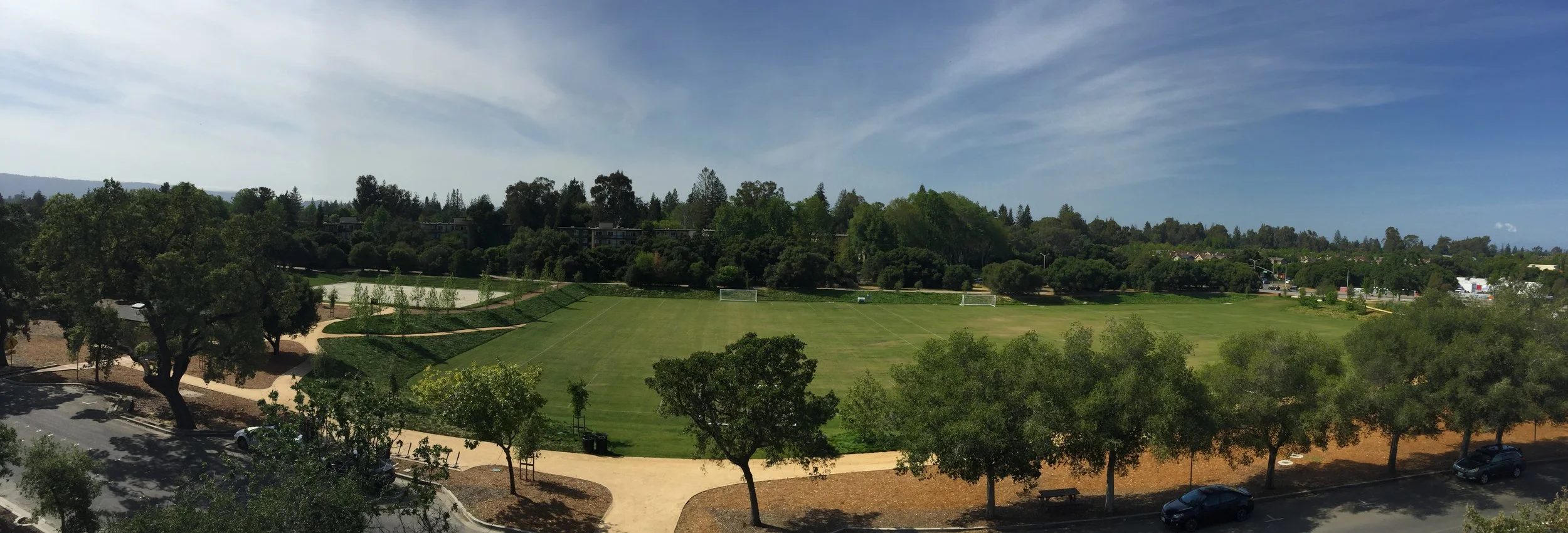
Sand volleyball courts and soccer fields provide operational storage and detention as part of the West Campus Stormwater Capture and Use Facility. (Stanford University)
Techniques Used
Diversion structures (weirs and orifices)
Detention basins for operational storage
Filters and trash separators
Pump stations
Reservoir storage
Over 200,000 square feet of recreation space for soccer, sand volleyball, and archery, as well as walkways for pedestrain access to green spaces
Education content on website
Rain Ready Benefits
Improves water quality
Increases local water supply
Offsets use of potable water
Satisfied stormwater requirements for new and redevelopment projects
Provides enhanced community spaces for recreation and enjoyment
Provides protection from flooding for people and property
Lower maintenance than dozens of distributed LID treatment measures
Case Studies
-
![]()
County of LA's Safe Clean Water Program
This one-of-a-kind program invests approximately $280 million annually into multi-benefit rainwater collection projects and programs.
-
![]()
Earvin Magic Johnson Park
The rainwater collection system at this popular park collects up to 85% of the water that was flowing away and brings community health benefits to a disadvantaged area.
-
![]()
Fresno Metropolitan Flood Control District Stormwater Basin System
The system collects and channels rainwater that once caused flooding. But is now channeled safely to recharge the water supply, while adding green space and places for rest and recreation.
-
![]()
San Mateo County Sustainable Streets Master Plan
The Plan includes multi-benefit projects designed to improve street conditions for walkability, cycling, urban greening, climate resiliency and water quality.
-
![]()
Orange Memorial Park, South San Francisco
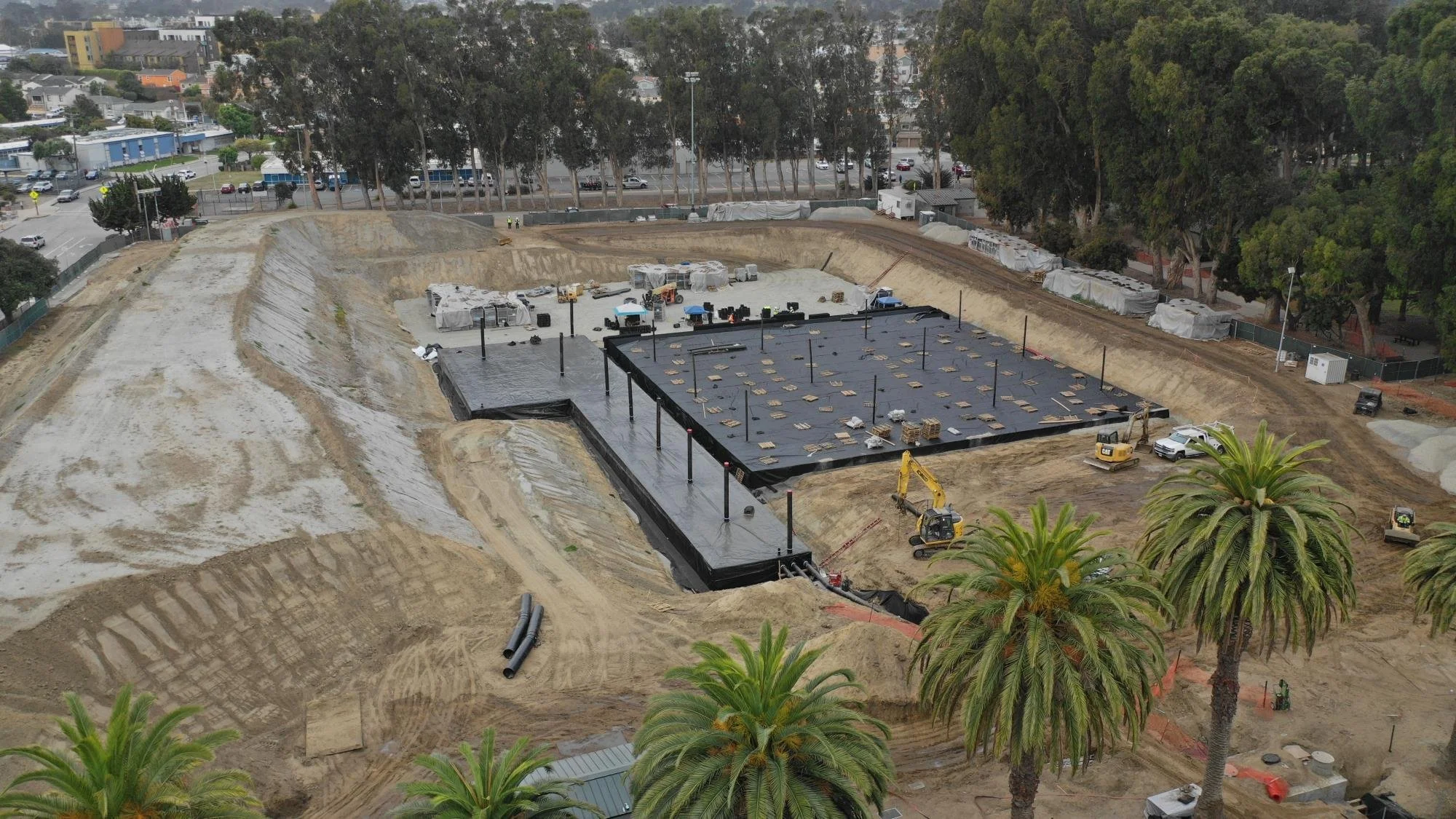
The park is the site of an underground rainwater collection project that will return as much as 78 million gallons of water to the groundwater basin each year, while providing renovated athletic fields for the community.
-
![]()
Elk Grove Rain Garden Plaza
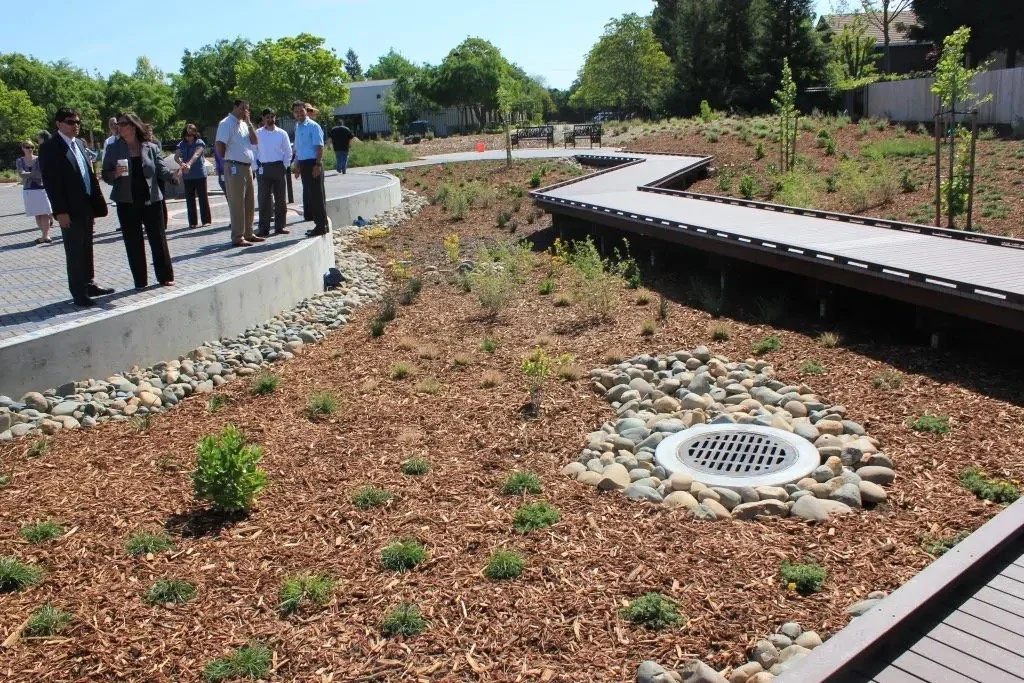
This one-acre site incorporates a wetland, surrounded by swales and native plants/trees, a large rain garden examples of pervious paving material and rain barrels and rain chains.
-
![Hacienda Avenue Green Street Project]()
Hacienda Avenue Green Street Project
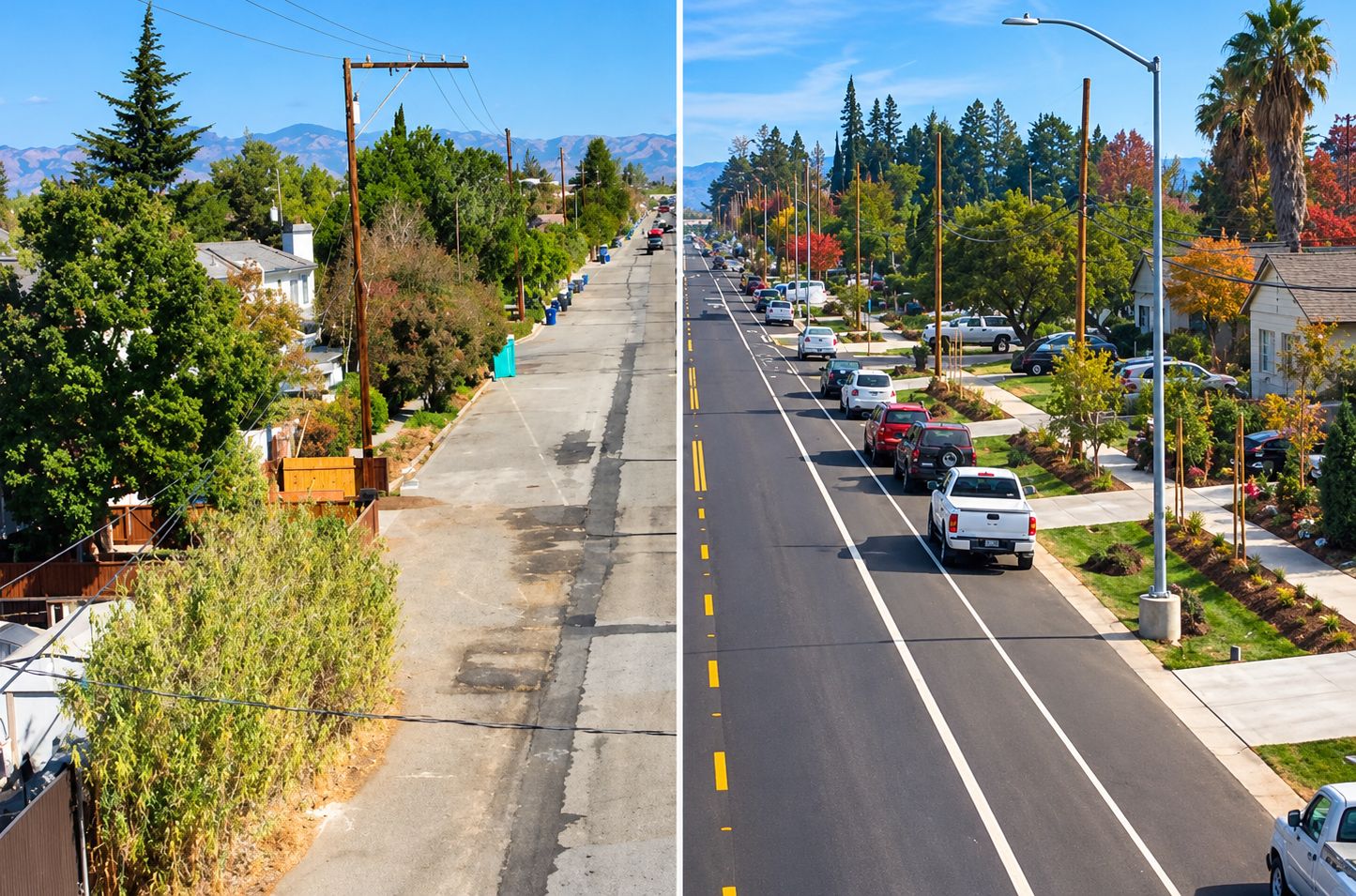
This project integrates green stormwater infrastructure with roadway, bicycle, and pedestrian improvements. Along with capturing and treating runoff, this project reduces flooding and supports groundwater recharge.