Earvin Magic Johnson Park

Earvin “Magic” Johnson Park (County of Los Angeles)
Project Description
Between 30,000 and 100,000 gallons of water per day were passing just south of Earvin Magic Johnson Park and flowing downstream, all while the park was using 100% potable water for irrigation.
A collaboration of the Los Angeles County Development Authority (LACDA) and Los Angeles County Public Works (LACPW) gave this popular 126- acre park a new, sustainable water source, using a unique system to recycle rainwater and nuisance flows from the drainage area. This sophisticated system collects up to 85% of the water runoff in the nearby storm. The collected rain is pumped from the street into a treatment facility. The treated water is then discharged into a wetland lake area to help regulate lake levels in lieu of using a potable water source. Collected rainwater is also used to supplement irrigation throughout the park.
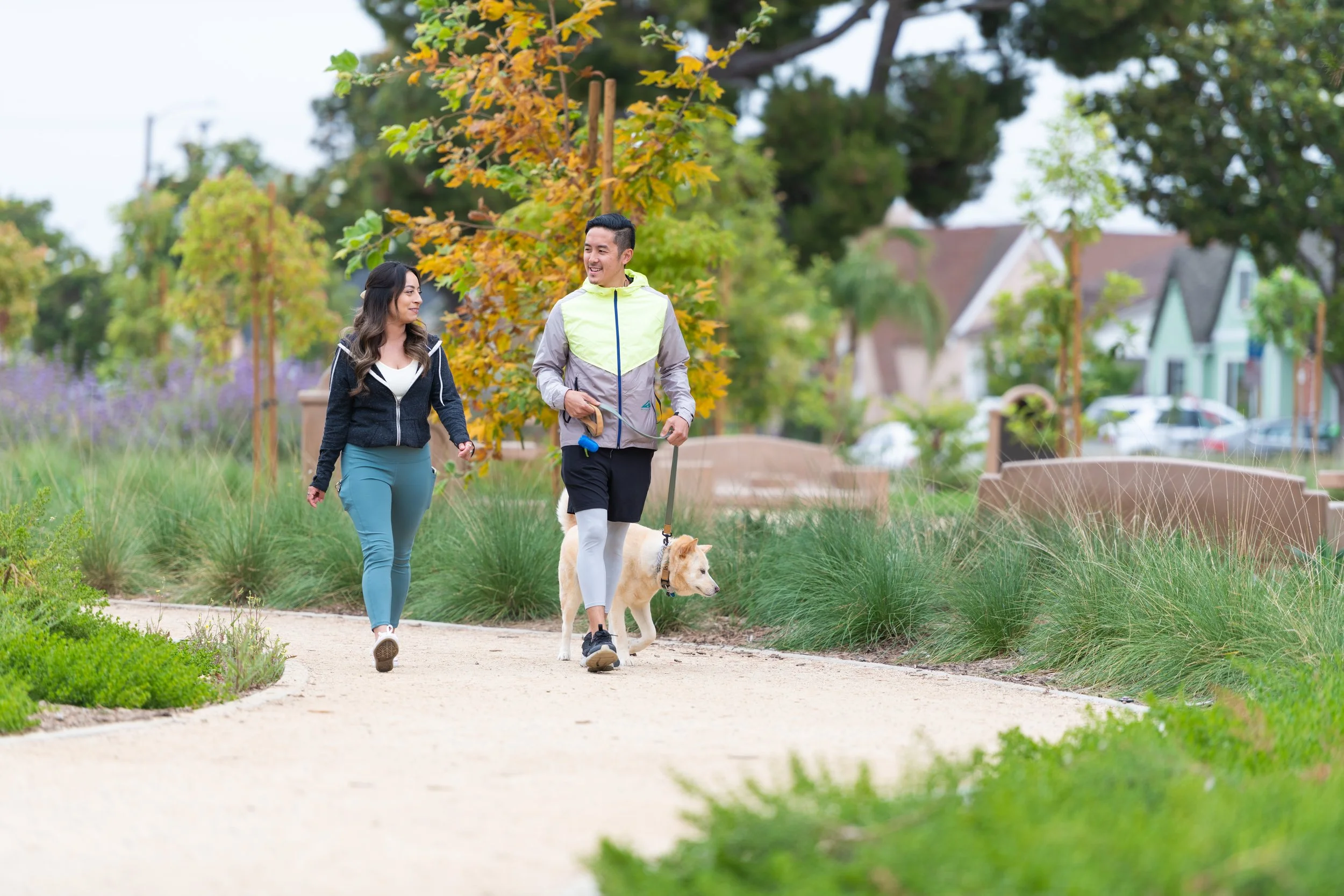
This Project is a powerful example of how a large-scale rainwater collection effort also brings extraordinary environmental, social, cultural and recreational benefits to a historically underserved area.
A 2024 Report from the California Stormwater Quality Association estimates the total value of the socioeconomic benefits alone to be over $87 million a year. The unique design reduces the need to purchase water from outside sources, improves residents’ health, adds beauty to an underserved community, and demonstrates how Southern California can successfully collect and reuse rainwater.
Techniques Used
Advanced water treatment technology, treating local runoff and rainwater to create a sustainable water management system
A newly developed wetland and gabion wall spanning the laker perimeter serves as a natural treatment for water quality
20,000 square foot community center serves as a central hub for community gatherings and events
Educational signage is displayed outside the treatment facility to inform the public about the system and its benefits
Rain Ready Benefits
Improved water quality
Reduced need to use costly potable water for irrigation and replenishment of the lake
Contributes to community health by encouraging outdoor activity and improving quality of life in an underserved area.
Enhanced community spaces for recreation and enjoyment
Created job opportunities for an underserved community
Increased public awareness of sustainable practices
Case Studies
-
![County of LA’s Safe Clean Water Program]()
County of LA’s Safe Clean Water Program
This one-of-a-kind program invests approximately $280 million annually into multi-benefit rainwater collection projects and programs.
-
![East Los Angeles Sustainable Median Stormwater Capture Project]()
East Los Angeles Sustainable Median Stormwater Capture Project
The project collects more rainwater, while also adding much-needed greenspace to a couple of parched and barren medians in East Los Angeles.
-
![Fresno Metropolitan Flood Control District Stormwater Basin System]()
Fresno Metropolitan Flood Control District Stormwater Basin System
The system collects and channels rainwater that once caused flooding. But is now channeled safely to recharge the water supply, while adding green space and places for rest and recreation.
-
![San Mateo County Sustainable Streets Master Plan]()
San Mateo County Sustainable Streets Master Plan
The Plan includes multi-benefit projects designed to improve street conditions for walkability, cycling, urban greening, climate resiliency and water quality.
-
![Orange Memorial Park, South San Francisco]()
Orange Memorial Park, South San Francisco
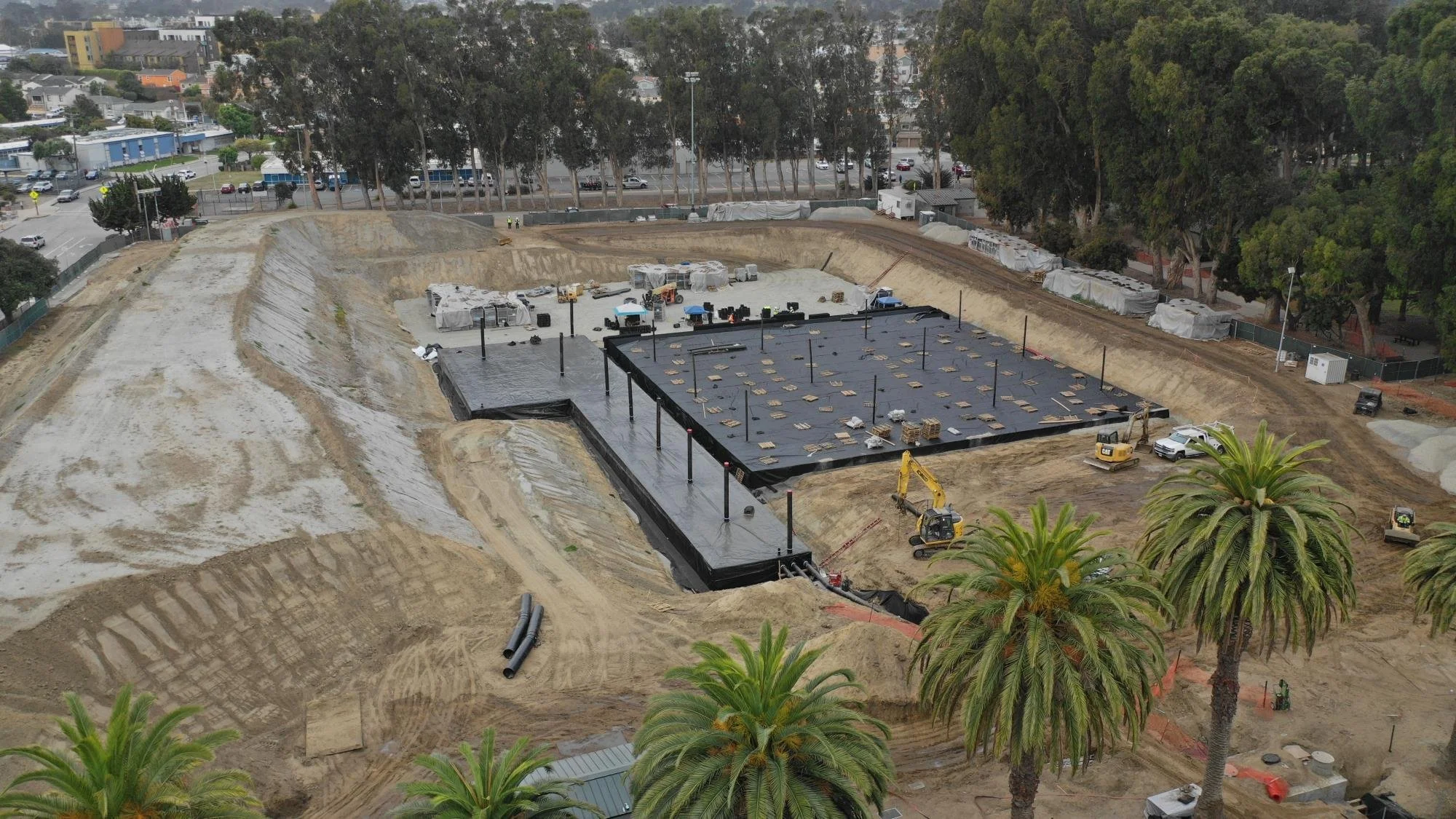
The park is the site of an underground rainwater collection project that will return as much as 78 million gallons of water to the groundwater basin each year, while providing renovated athletic fields for the community.
-
![Elk Grove Rain Garden Plaza]()
Elk Grove Rain Garden Plaza
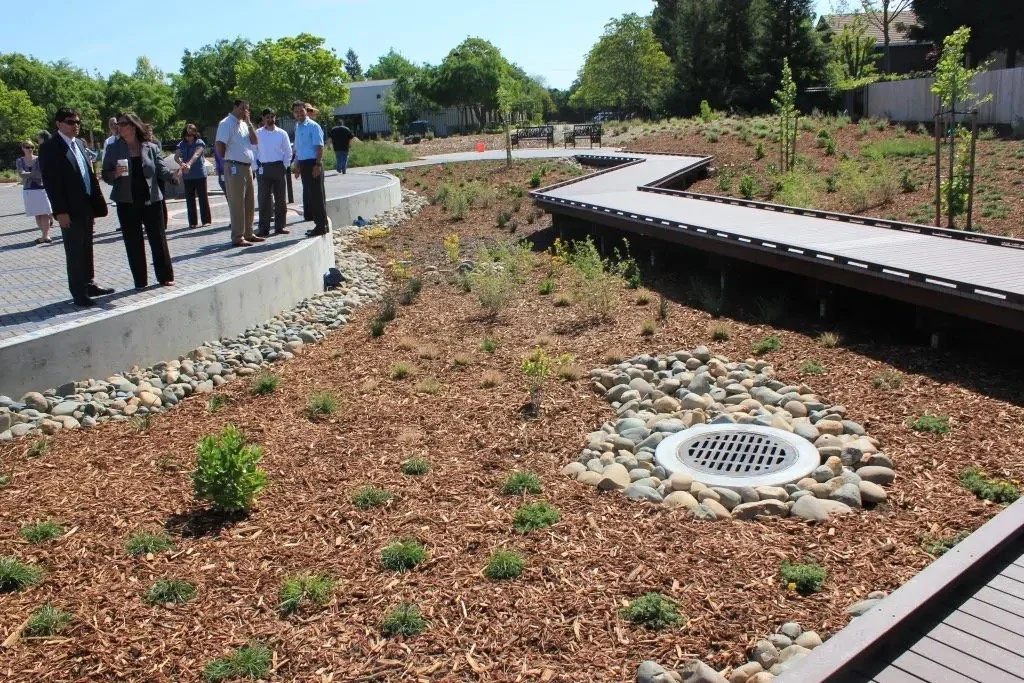
This one-acre site incorporates a wetland, surrounded by swales and native plants/trees, a large rain garden, examples of pervious paving material and rain barrels and rain chains.
-
![]()
Stanford University Stormwater Capture & Use Facilities
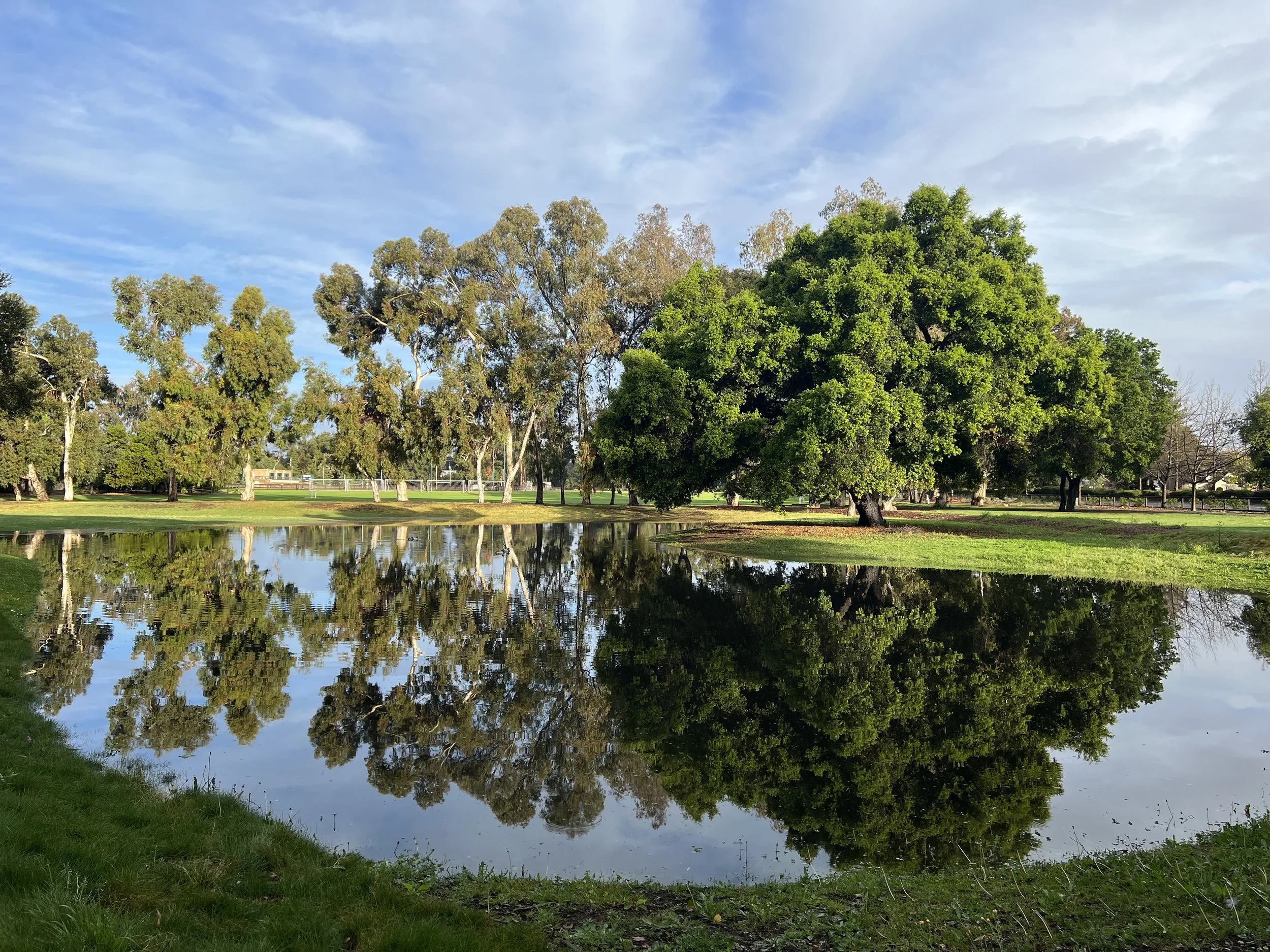
These facilities collect 130 million gallons of water to supplement the potable irrigation system and provide benefits to the campus community.