East Los Angeles Sustainable Median Stormwater Capture Project

East Los Angeles Sustainable Median Stormwater Capture Project (County of Los Angeles)
Project Description
LA County’s Clean Water Program funded the East Los Angeles Sustainable Median Stormwater Capture Project, designed to improve water quality, increase water supply and enhance recreation and the community.
The project collects more rainwater, while also adding much-needed greenspace to a couple of parched and barren medians in East Los Angeles. Completed in 2021, the median project collects approximately 22 acre-feet of rainwater per rain event– that’s enough water to fill 10 Olympic-sized swimming pools – from mainly residential and commercial land areas. Water is collected and pulled into a network of treatment systems before entering underground infiltration drywells, replenishing the groundwater aquifer in the area. Rainwater is also collected through bioswales located in the medians, where it infiltrates and drains into the infiltration drywell network below.
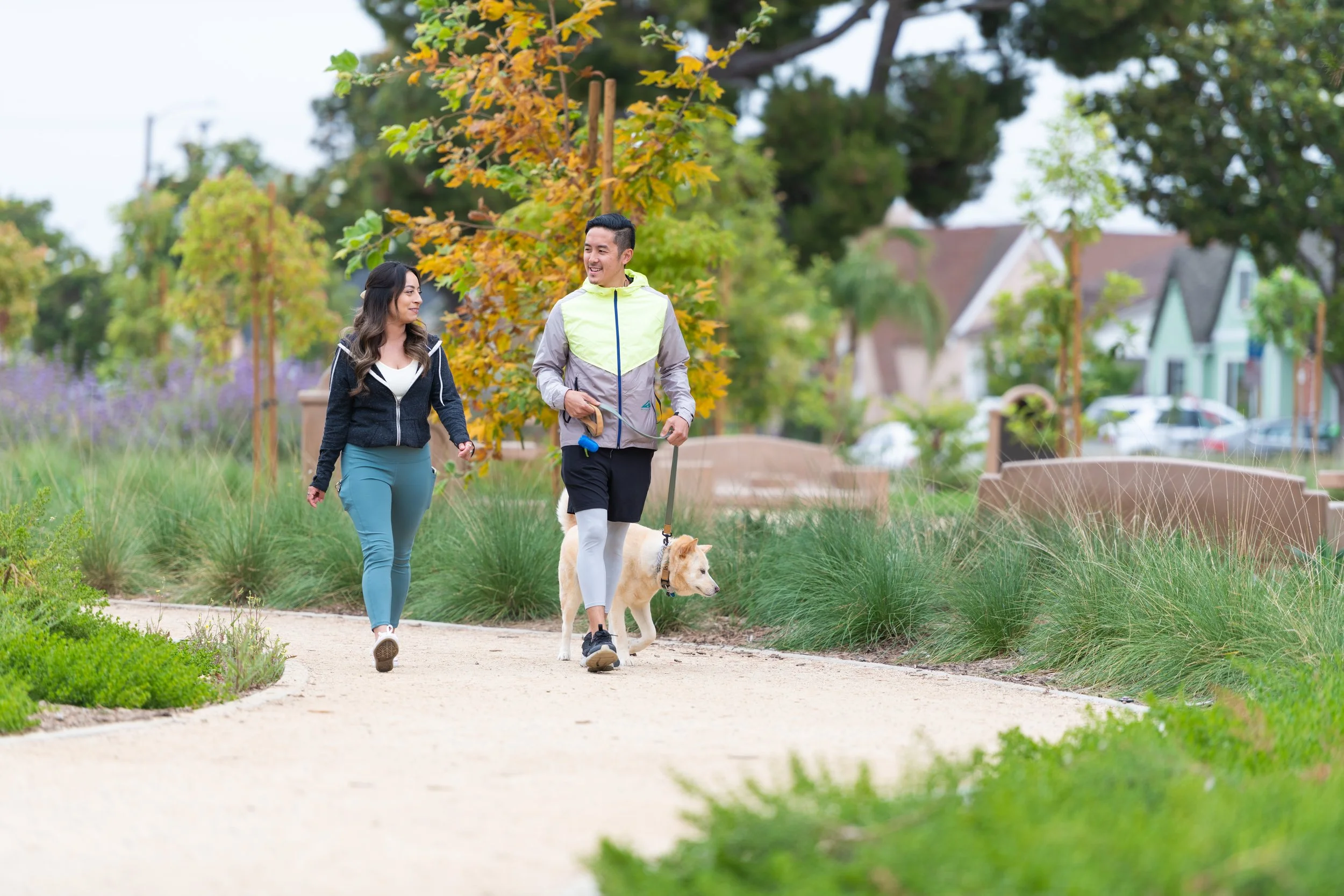
While the primary objective of the project was collecting rainwater and improving water quality, the project also provides above-ground improvements, transforming dried-out, unused and unmaintained medians into beautiful public spaces frequently utilized by the local community. Jogging paths, exercise equipment, picnic tables and benches, educational signage, drought tolerant landscaping, and over 300 planted trees are some of the main amenities implemented in the Project that benefit the entire community.
Techniques Used
Infiltration drywells that divert rainwater into groundwater aquifers
Bioswales
Over 300 new trees planted
Drought-tolerant landscaping
Educational signage
Rain Ready Benefits
Improved water quality
Increased local water supply
Enhanced community spaces for recreation and enjoyment
Reduced effects of greenhouse gases
Increased public awareness of sustainable practices
Case Studies
-
![County of LA’s Safe Clean Water Program]()
County of LA’s Safe Clean Water Program
This one-of-a-kind program invests approximately $280 million annually into multi-benefit rainwater collection projects and programs.
-
![Earvin Magic Johnson Park]()
Earvin Magic Johnson Park
The rainwater collection system at this popular park collects up to 85% of the water that was flowing away and brings community health benefits to a disadvantaged area.
-
![Fresno Metropolitan Flood Control District Stormwater Basin System]()
Fresno Metropolitan Flood Control District Stormwater Basin System
The system collects and channels rainwater that once caused flooding. But is now channeled safely to recharge the water supply, while adding green space and places for rest and recreation.
-
![San Mateo County Sustainable Streets Master Plan]()
San Mateo County Sustainable Streets Master Plan
The Plan includes multi-benefit projects designed to improve street conditions for walkability, cycling, urban greening, climate resiliency and water quality.
-
![Orange Memorial Park, South San Francisco]()
Orange Memorial Park, South San Francisco
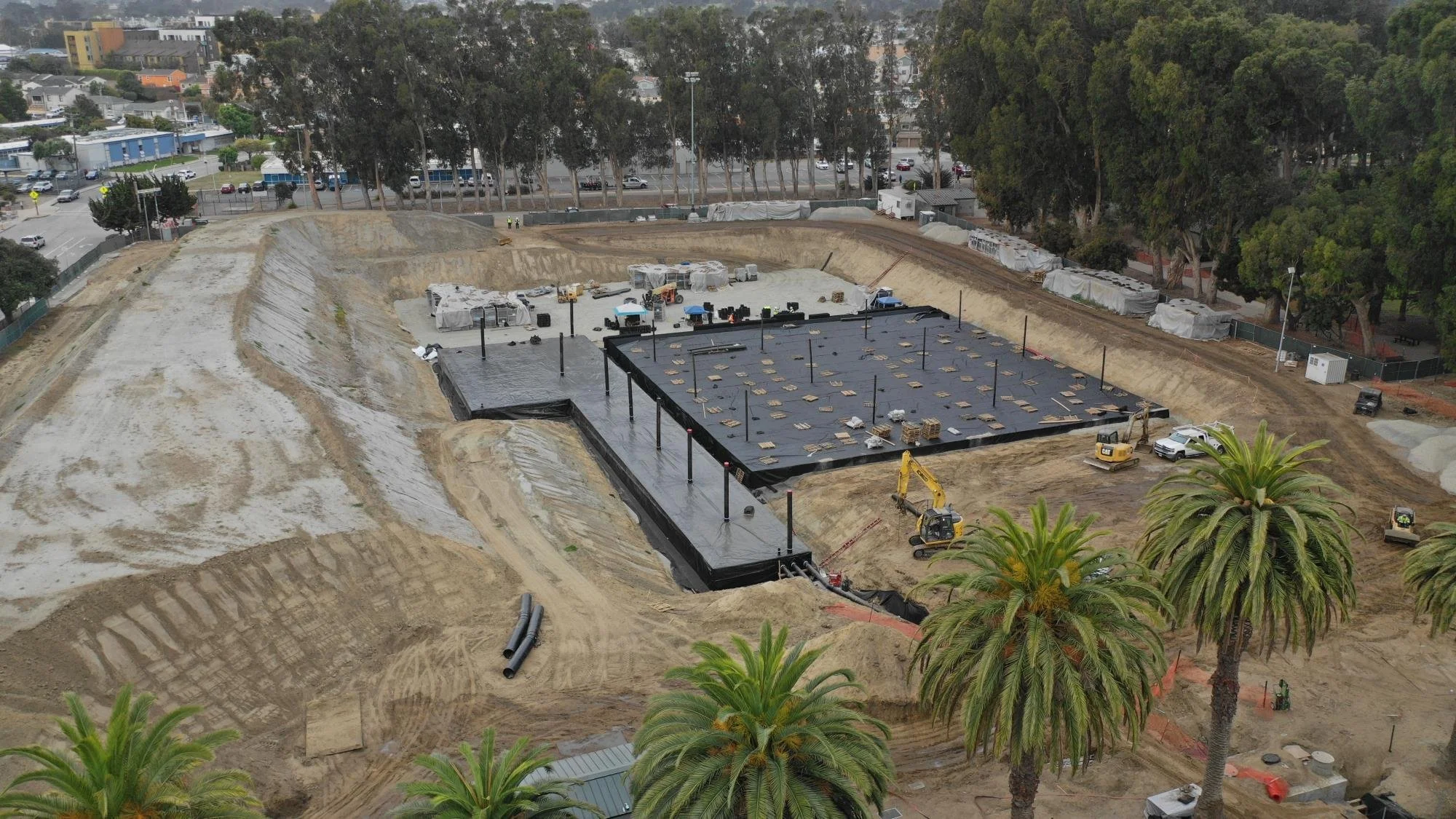
The park is the site of an underground rainwater collection project that will return as much as 78 million gallons of water to the groundwater basin each year, while providing renovated athletic fields for the community.
-
![Elk Grove Rain Garden Plaza]()
Elk Grove Rain Garden Plaza
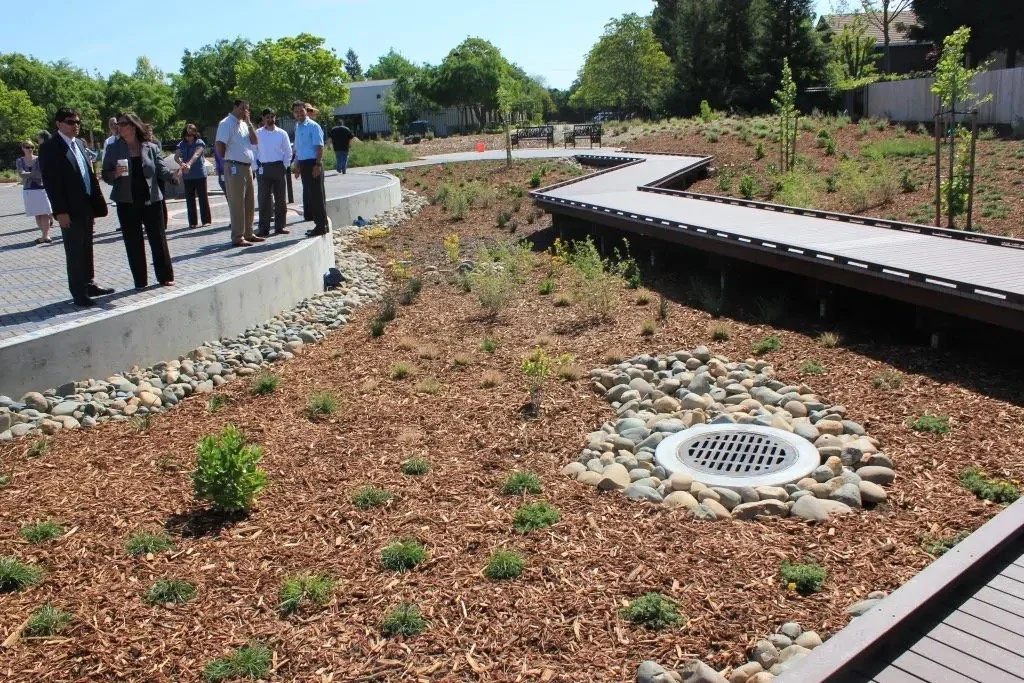
This one-acre site incorporates a wetland, surrounded by swales and native plants/trees, a large rain garden, examples of pervious paving material and rain barrels and rain chains.
-
![]()
Stanford University Stormwater Capture & Use Facilities
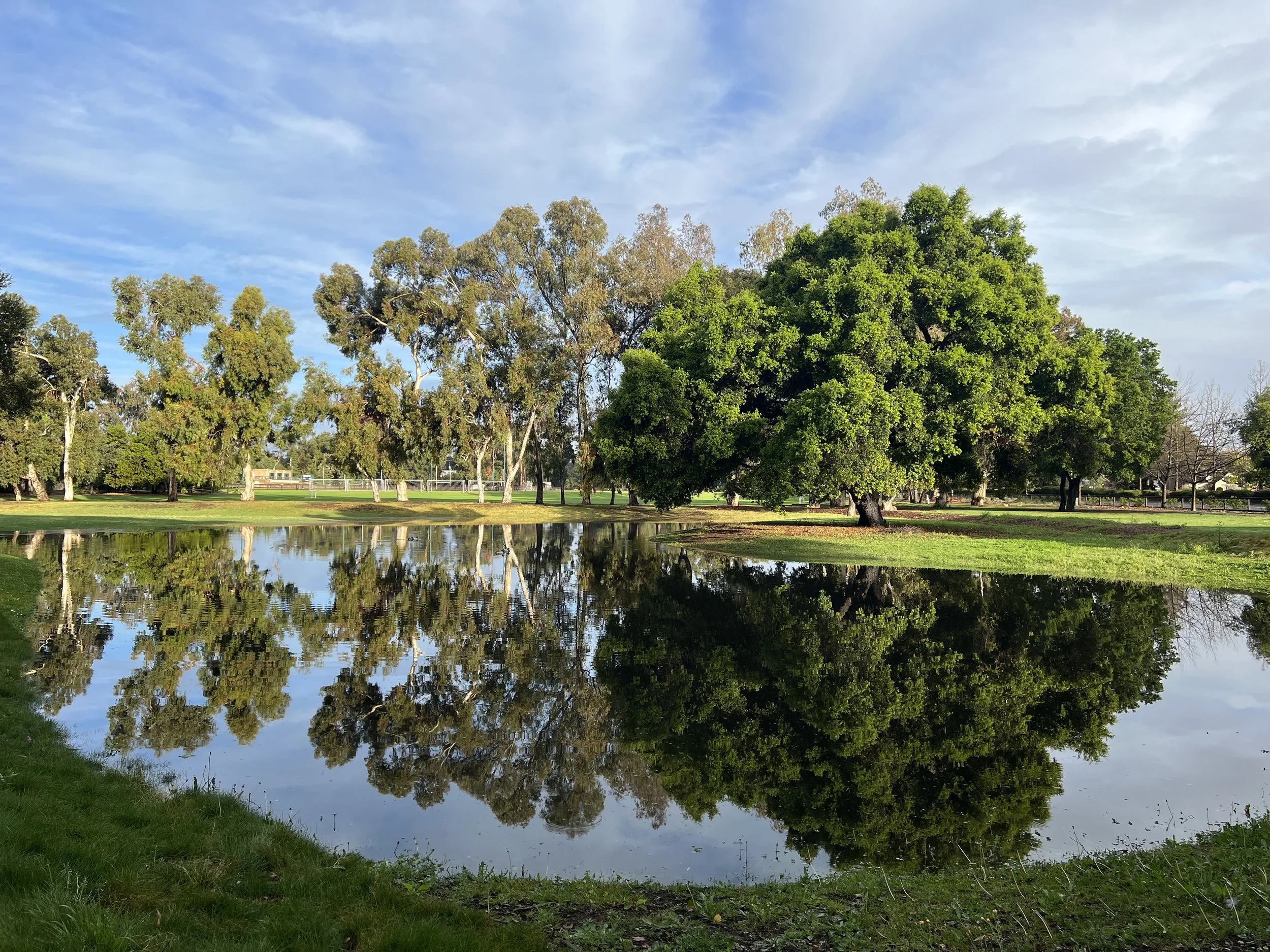
These facilities collect 130 million gallons of water to supplement the potable irrigation system and provide benefits to the campus community.